Why Native Trees With Understory Perennials Matter
Not all trees are created equal—at least not from a wildlife's perspective. When you plant a native oak instead of an ornamental import, you're not just adding shade to your yard; you're rebuilding a piece of the food web that regional insects, birds, and pollinators depend on to survive.
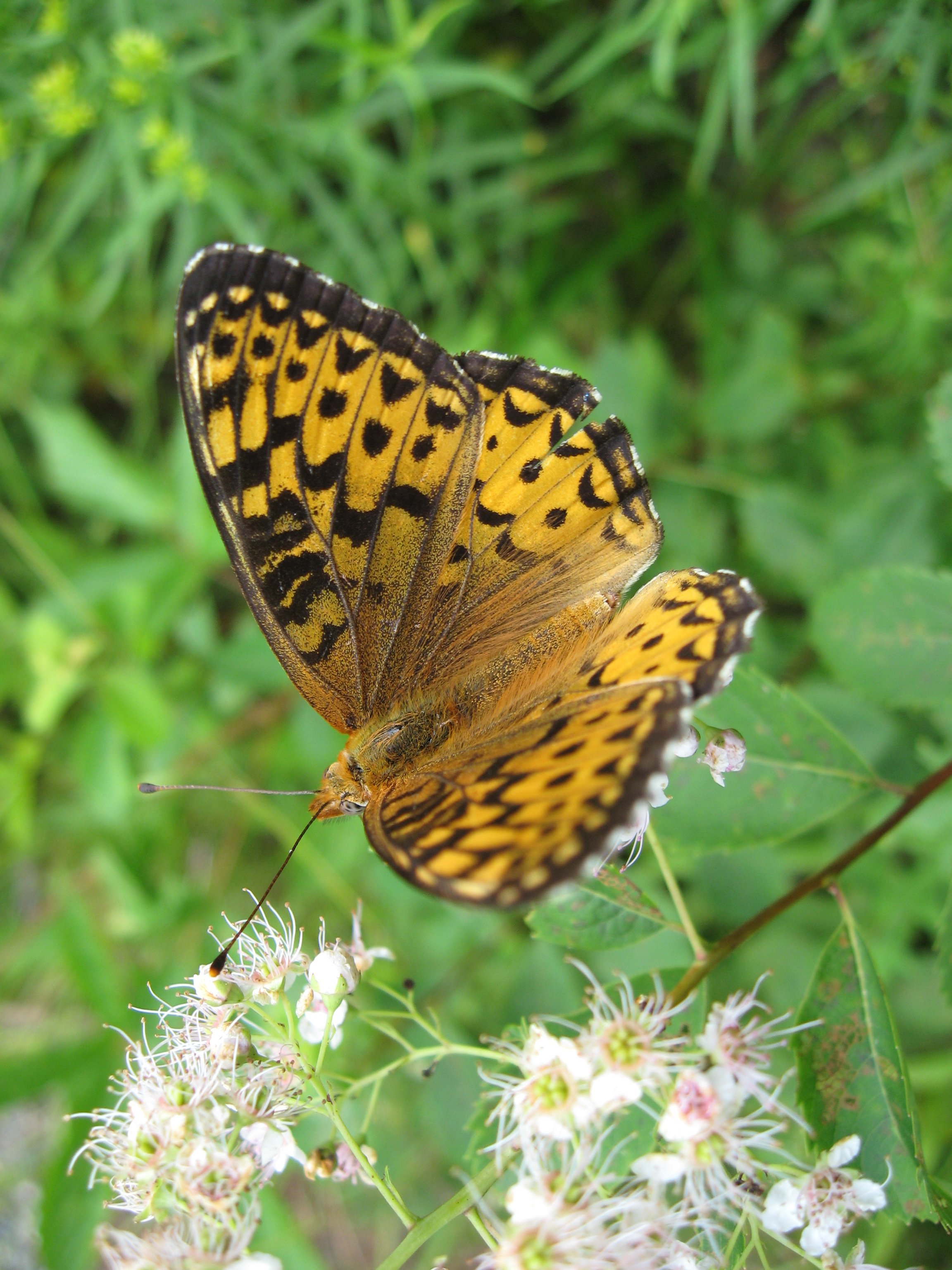
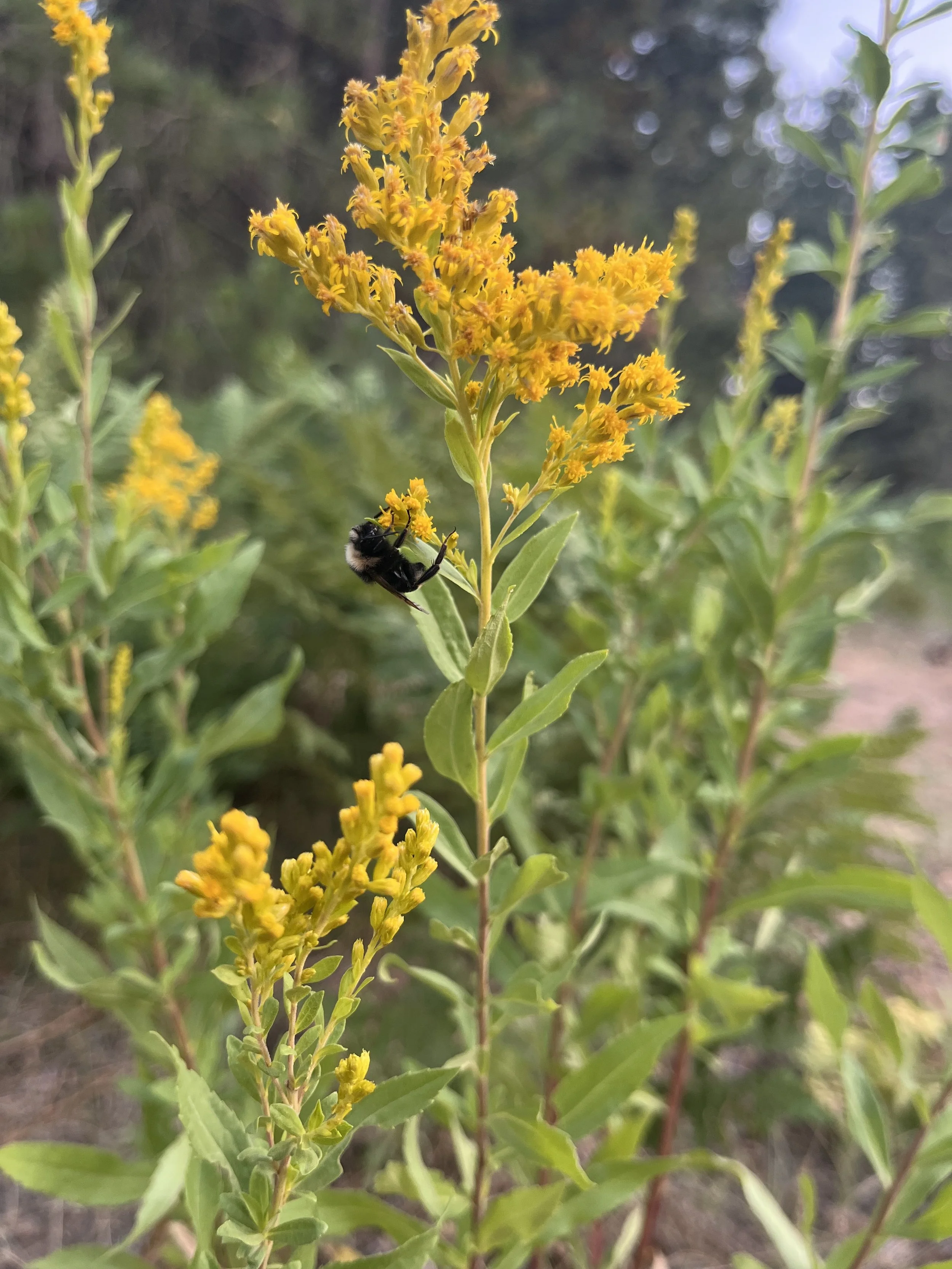
This idea sits at the heart of the “soft landings” concept, coined by pollinator conservationist Heather Holm and conservation gardener Leslie Pilgrim. The term describes the practice of planting native ground-layer plants—grasses, perennials, and leaf litter—beneath the canopy of keystone trees like oaks, in place of turfgrass mowed right up to the trunk. Why does that matter? Many moth and butterfly species drop from tree leaves to pupate in the soil below. If that ground is covered in turf instead of native plants, those caterpillars simply don't survive to complete their lifecycle—breaking a critical link in the chain that feeds baby birds, bats, and countless other species. A single pair of Chickadees need 9,000 to 16,000 caterpillars to raise one clutch of young.
A tree is only as valuable as the ecosystem around it. Native insect populations have declined nearly 24% over the past 30 years — and turf grass under a shade tree does nothing to reverse that. A native perennial understory recreates the layered habitat insects, and the birds that eat them, actually depend on.
Entomologist Doug Tallamy, professor at the University of Delaware, laid much of the groundwork for this thinking. His research found that native oaks alone can host over 500 species of caterpillars, while a nonnative species might support only a handful. His books—Bringing Nature Home and Nature's Best Hope—helped popularize the idea that homeowners, not just wildlands, hold the key to reversing insect decline. Soft landings put that philosophy into practice, one tree at a time. Tallamy took that message further by co-founding Homegrown National Park, a grassroots movement of native habitat capable of rivaling our public parks and refuges in ecological impact.