Why Arborist Woodchips are Superior to Store-bought Mulch
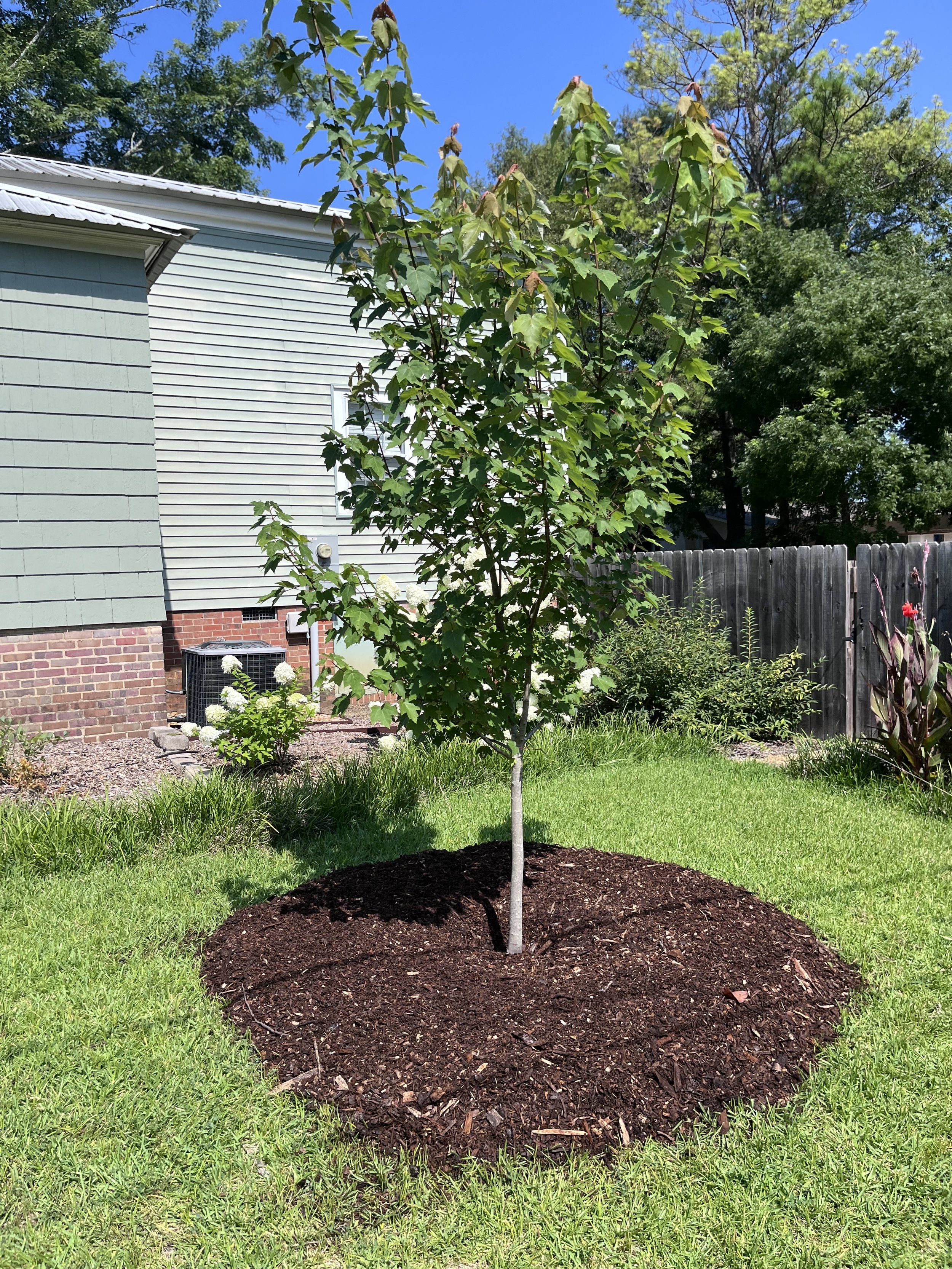
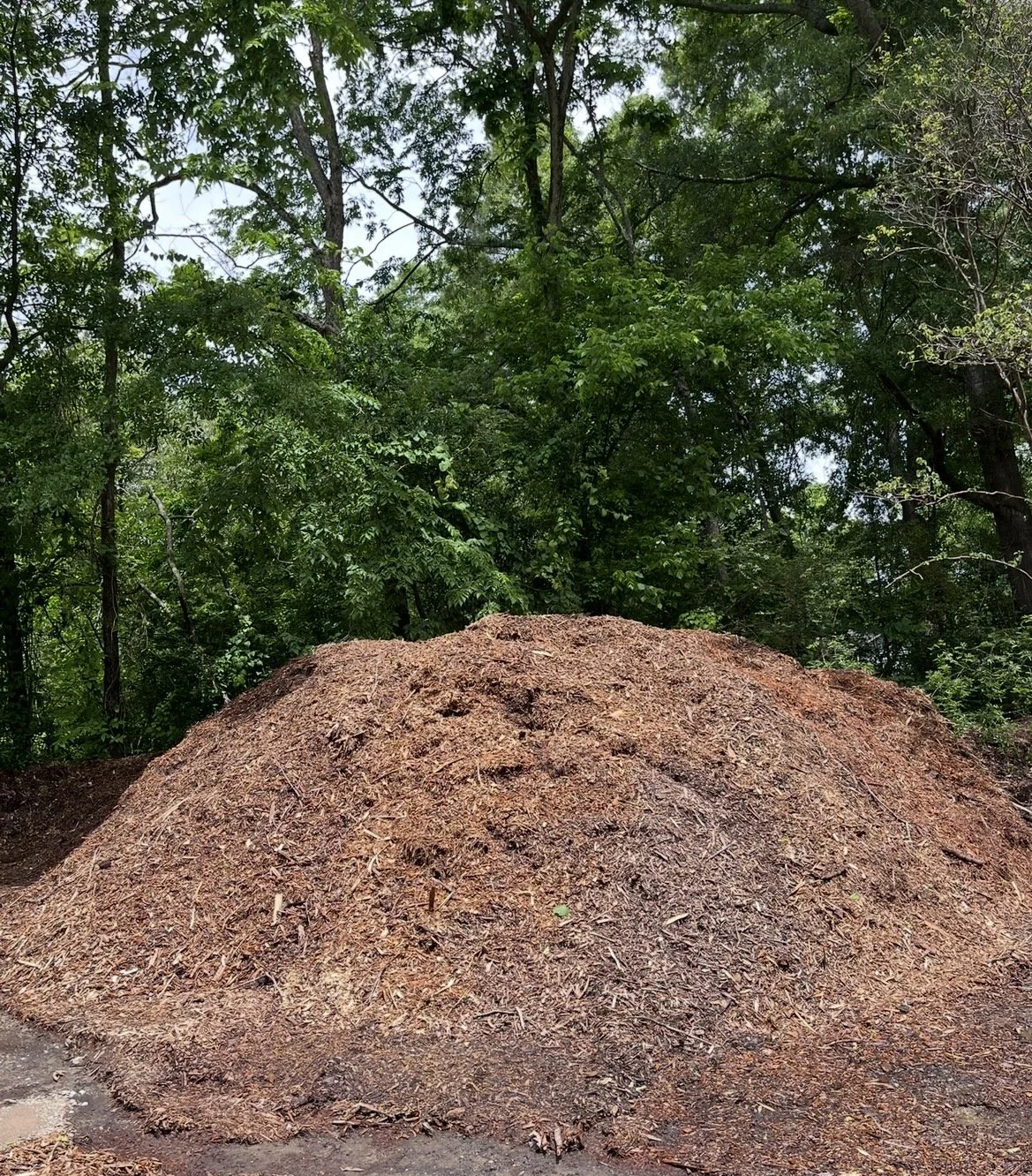
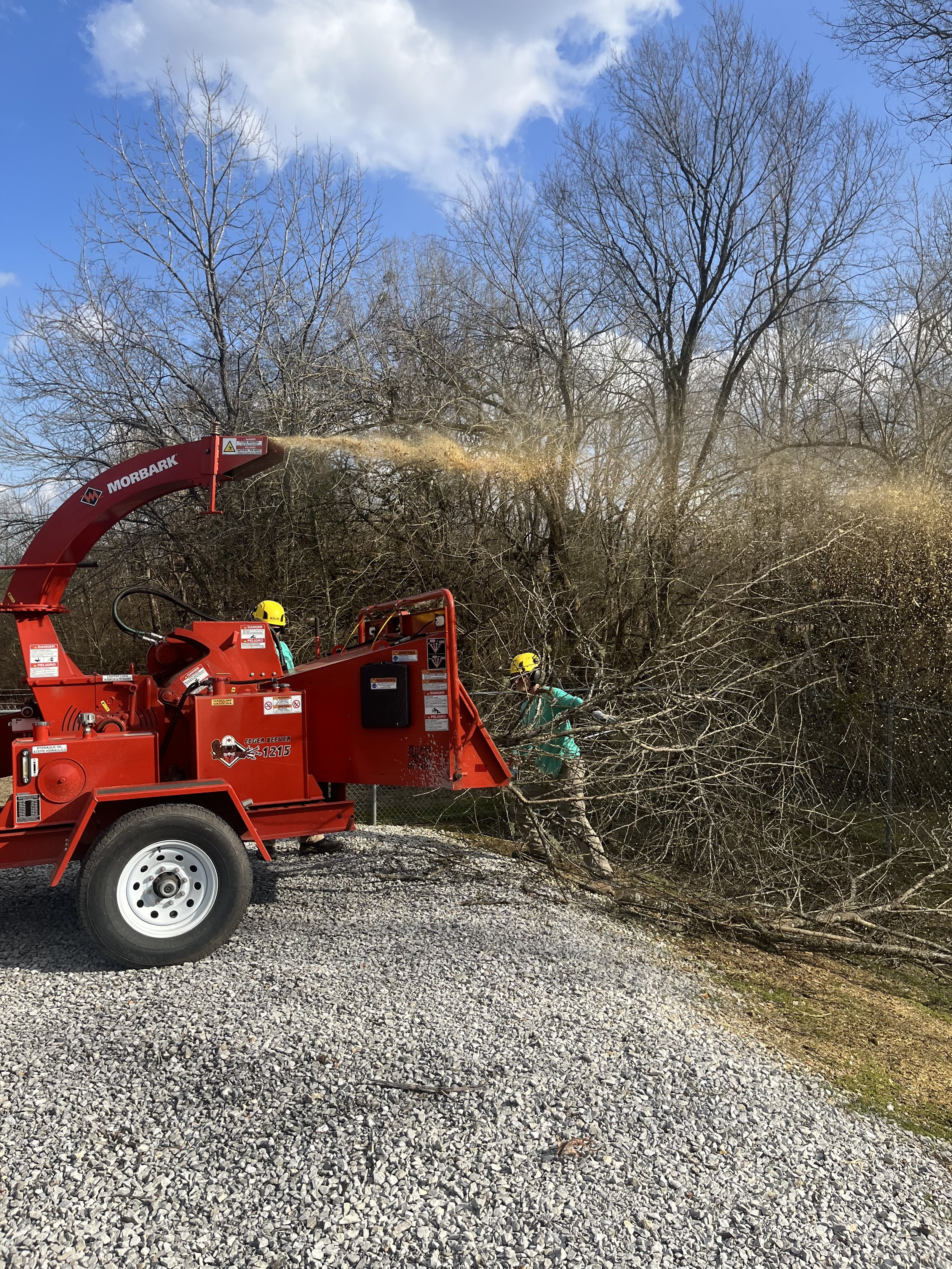
Store-bought mulch is often a single wood species, stripped of bark and shredded uniformly — a sterile, homogenous product that offers little more than surface cover. Arborist wood chips are a different animal entirely: a mix of wood, bark, leaves, and twigs in varying stages of decay, which mimics the litter layer of a natural forest floor. That diversity matters. The varied particle sizes create air pockets that improve soil aeration and water infiltration, while the mix of carbon-rich wood and nitrogen-rich leaves and cambium feeds a broader range of fungi and bacteria — particularly the mycorrhizal fungi that trees rely on to access water and nutrients. As this diverse material breaks down in stages, it releases nutrients slowly and builds organic matter and soil structure over time, rather than just sitting inert on top like dyed, uniform mulch does.
The result is mulch that behaves less like a product and more like an ecosystem input: it recruits fungi, builds humus, and improves soil structure in ways that dyed, single-species mulch simply can’t replicate.
Dr. Linda Chalker-Scott (WSU horticulturist) has published extensively on this: arborist wood chips outperform every other tested mulch for soil moisture, nutrient cycling, and weed suppression. Trees evolved under a forest canopy that drops leaves, twigs, and branches — the same diverse mix found in arborist chips.