Pocket Meadow:
Native Wildflowers and Grasses Where Turf Used to Be
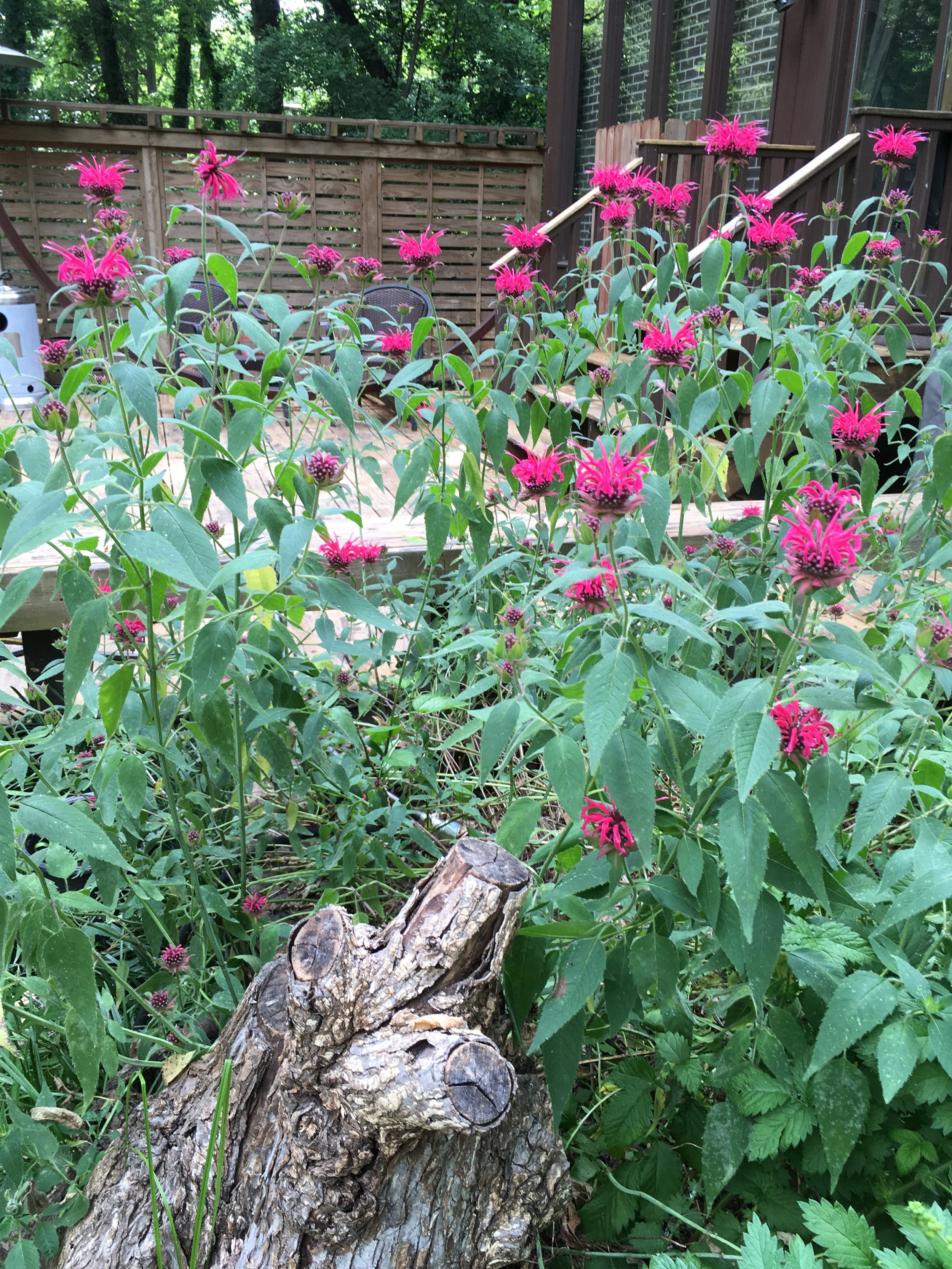
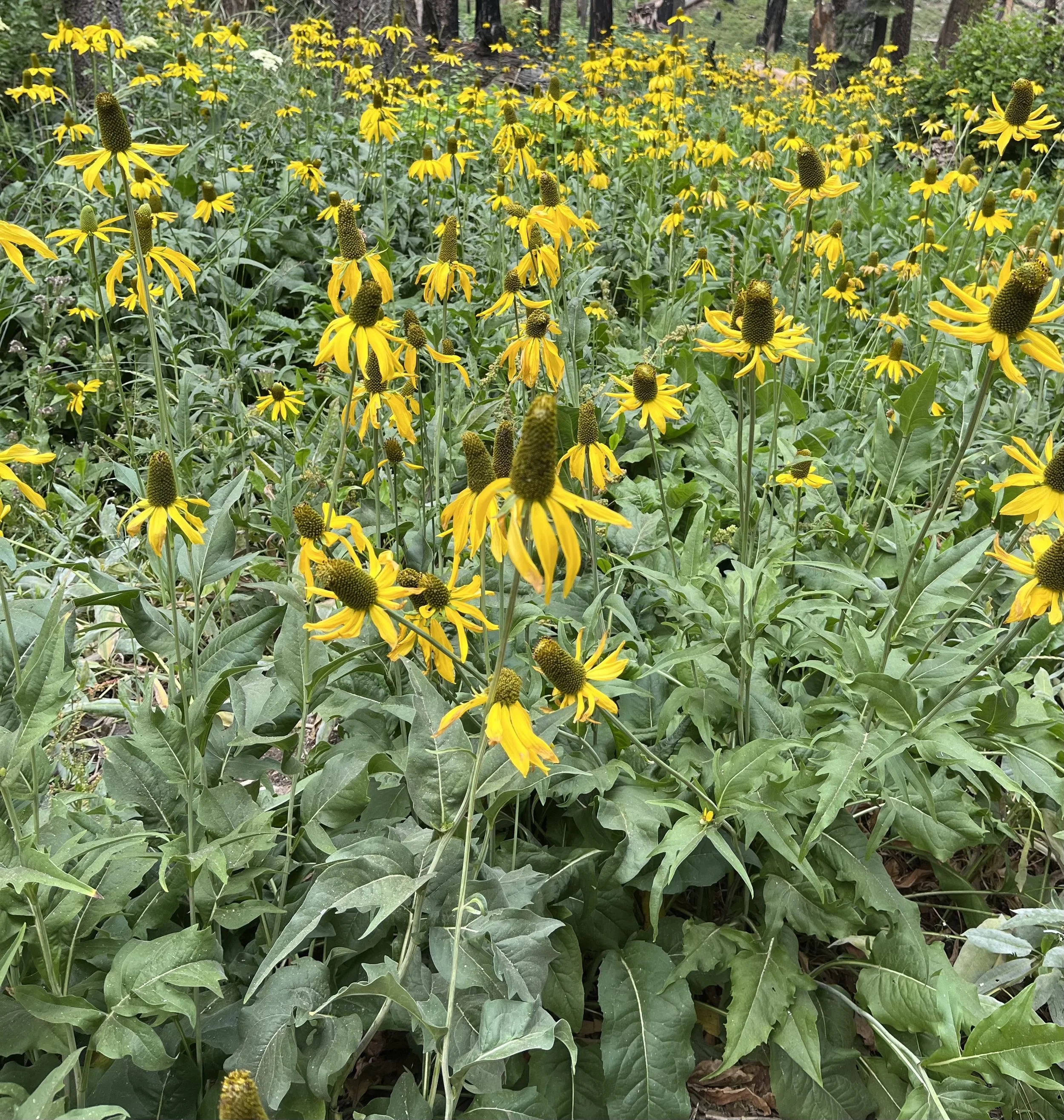
Lawns take work — mowing, watering, fertilizing — and give almost nothing back to the landscape around them. A Pocket Meadow replaces some or all of that turf with a planting of native wildflowers and grasses, chosen for our region’s soils and seasons, that ask for far less and gives far more: color through the growing season, habitat for pollinators, and roots that actually hold and build soil instead of just sitting on top of it.
What Goes Into a Pocket Meadow
Every Pocket Meadow is built from a native perennial and grasses suited to Mississippi’s Blackland Prairie and Tombigbee Hills ecosystems — not a generic wildflower mix off a shelf. Depending on the site’s sun, soil, and moisture, a planting might draw on species like Rudbeckia (Black-eyed Susan), Liatris (Blazing Star) and Echinacea (Coneflower), layered with native grasses that provide structure through fall and winter and habitat for overwintering insects.
Plants are grown from our own nursery stock and other local nurseries, meaning what goes into the ground is already adapted to your soils and our seasonal swings between summer drought and heavy rain.
Why a Meadow Instead of a Lawn
Season-long interest — A well-designed native meadow blooms in succession, rather than the single flush of a spring bed.
Deep, soil-building roots — Many native prairie species root several feet down, far deeper than turf grass, improving drainage and drought resilience over time.
Real pollinator habitat — Meadows support native bees, butterflies, and beneficial insects that mowed turf simply can’t replicate.
Less input over time — Once established, a native meadow needs far less watering, fertilizing, and mowing than the lawn it replaces.
Click to learn more on how a meadow under keystone native trees support food webs.
A Right-Sized Alternative
A Pocket Meadow doesn’t require giving up your whole yard. It can be a defined bed, a slope too steep to mow comfortably, a strip along a fence line, or a broader replacement for underused turf — scaled to fit the site and how much of the “managed lawn” look you want to keep around it.
Whether paired with a Pocket Forest planting or installed on its own, a Pocket Meadow turns square footage that used to need maintenance into square footage that’s actually doing something.
Have a patch of lawn that could become a meadow instead? [Schedule a consultation] and we’ll talk through what fits your site.
Homegrown National Parks Biodiversity Map - Click to see a interactive map, and community-based tool that tracks individual and collective efforts to restore biodiversity by planting native species